
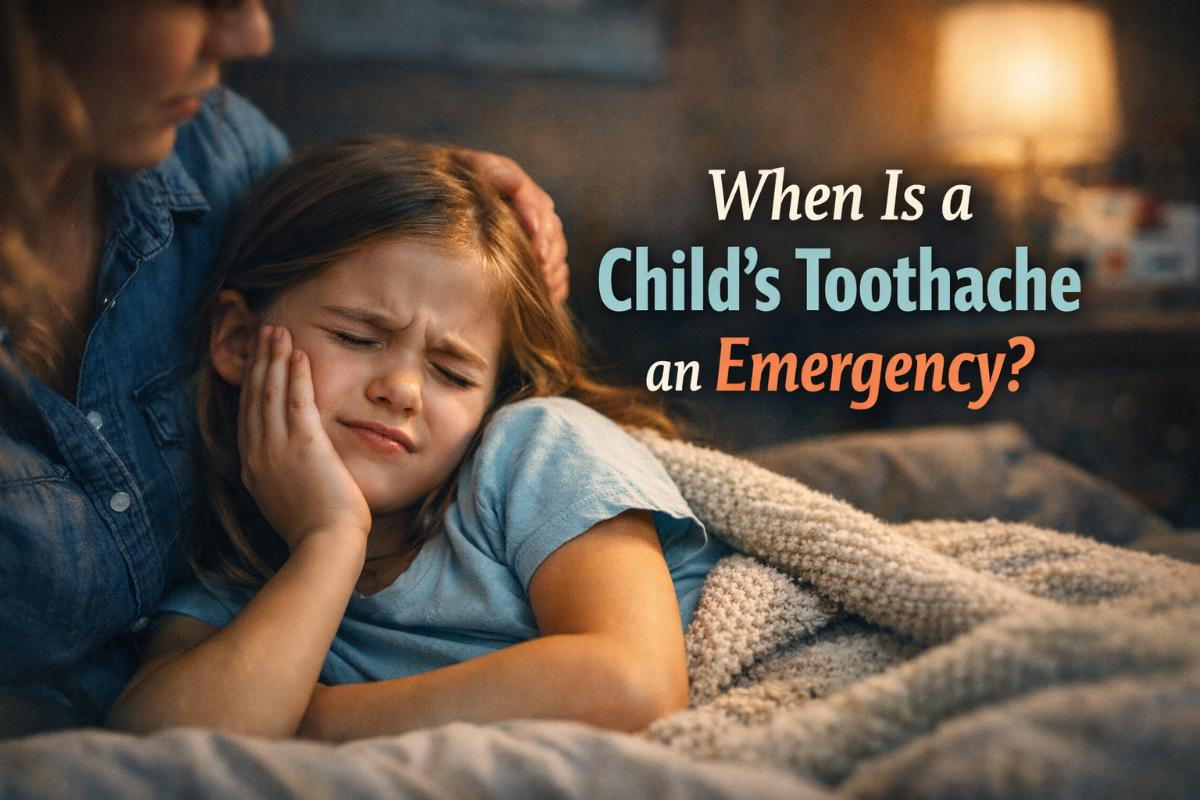
Child’s Toothache Emergency: Causes, Warning Signs, and When to See a Dentist
If you notice any of these signs, the situation may be a child’s toothache emergency that needs immediate attention. Ignoring severe symptoms can allow infection or tooth damage to worsen, which may lead to more complicated treatment later. Families who need urgent dental care in Houston should contact a trusted pediatric dentist as soon as possible so the problem can be diagnosed and treated quickly. At Dental Clinics of Texas, our experienced team provides compassionate, kid-friendly care and prompt treatment for dental emergencies.
In this article, we will explain the common causes of toothaches in children, warning signs that indicate a child’s toothache emergency, when parents should call a dentist immediately, and how pediatric dentists treat these problems. If your child is experiencing severe tooth pain, swelling, or a dental injury, contact Dental Clinics of Texas today to schedule an emergency appointment. Our team is here to relieve your child’s pain and help protect their healthy smile.
Read also: What Is a Dental Emergency? A Pediatric Expert’s Guide
What Causes a Child’s Toothache?
Understanding what causes tooth pain is the first step in deciding whether it may be a child’s toothache emergency. Children often experience toothaches for different reasons, and some are more serious than others. Identifying the source of the pain helps parents determine the best next step.
Common causes of toothaches in children include:
Cavities or tooth decay: One of the most common reasons for tooth pain. Bacteria damage the enamel and create holes in the tooth, which can cause sensitivity or persistent pain.
Food stuck between teeth: Small food particles can become trapped between teeth and press against the gums, causing discomfort until they are removed.
Gum irritation or infection: Swollen or irritated gums may develop due to poor oral hygiene, plaque buildup, or minor injury while brushing.
Cracked or chipped teeth: Falls, sports injuries, or biting hard foods can damage a tooth and expose sensitive inner layers.
Teeth grinding: Some children grind their teeth while sleeping, which can cause soreness in the teeth or jaw.
New teeth erupting: Younger children may feel discomfort as new teeth push through the gums.
Injuries from sports or falls: Active play can sometimes lead to dental trauma that causes sudden tooth pain.
In many situations, mild discomfort may improve after brushing, flossing, or rinsing the mouth with warm water. However, if the pain continues, becomes stronger, or is accompanied by swelling or fever, it may signal a deeper dental problem. Persistent symptoms should always be evaluated by a dentist to determine whether the situation has become a child’s toothache emergency.
Signs a Child’s Toothache May Be a Dental Emergency
Not every toothache needs urgent treatment, but certain symptoms should never be ignored. Some warning signs suggest that the problem may be more serious than simple sensitivity or food stuck between the teeth. When these symptoms appear, the toothache may be a child’s toothache emergency that requires prompt care from a pediatric dentist.
Parents should pay close attention to how long the pain lasts, how severe it is, and whether other symptoms appear at the same time. Tooth pain that becomes stronger, spreads to the face or jaw, or affects a child’s daily activities may indicate infection, injury, or significant tooth damage. Recognizing these warning signs early allows parents to seek treatment quickly and prevent the problem from becoming worse.
Severe or Constant Tooth Pain
Severe or persistent pain is one of the most common signs of a child’s toothache emergency. Children may sometimes complain of temporary discomfort after eating something very hot, cold, or sweet. However, pain that continues for hours or keeps returning is a different situation.
Parents should be concerned if the pain:
Does not go away after brushing or rinsing the mouth
Gets worse when the child bites or chews
Keeps the child awake at night
Makes it difficult for the child to eat or talk normally
These symptoms often suggest a deeper dental problem. Severe tooth pain can develop when decay reaches the inner part of the tooth, when a nerve becomes irritated, or when infection begins to form around the root. In these cases, delaying treatment can allow the problem to worsen and increase the risk of swelling or abscess.
Swelling in the Face or Gums
Swelling around the gums, jaw, or face is a strong warning sign that should never be ignored. When bacteria spread inside a tooth or the surrounding tissue, the body may respond with inflammation and swelling. This can cause noticeable puffiness near the affected area and may make the tooth extremely sensitive.
Children with facial swelling may also experience tenderness in the gums or difficulty chewing. In some cases, the swelling may spread beyond the tooth and affect the cheek or jaw. This type of symptom often indicates infection and should be evaluated quickly by a dentist. Prompt treatment can prevent the infection from spreading further and reduce discomfort for the child.
Fever Along With Tooth Pain
A fever together with tooth pain can signal that the body is fighting an infection. While fever can occur with many illnesses, when it appears alongside dental pain it may indicate a serious oral health problem.
Parents should watch for symptoms such as:
Elevated body temperature
Fatigue or irritability
Increased swelling near the tooth
Pain that continues to worsen
These signs may suggest that bacteria have reached deeper tissues or created an abscess around the tooth. A dentist should examine the child as soon as possible to identify the cause and begin treatment. Addressing infection early helps prevent complications and protects the child’s overall health.
Bleeding or Pus Around the Tooth
Bleeding from the gums can sometimes occur after brushing too hard or flossing for the first time. However, unusual bleeding that continues or is accompanied by pain may indicate a more serious problem.
Parents should seek dental care if they notice:
Blood around the gums that does not stop easily
Thick or cloudy discharge near the tooth
A bad taste in the mouth
Swelling along the gum line
These symptoms may be linked to conditions such as a gum infection, dental abscess, or trauma to the tooth. When pus is present, it often means that bacteria have caused an infection that requires treatment. Ignoring these signs can allow the infection to spread and cause greater damage to the tooth and surrounding tissues.
Broken or Knocked-Out Tooth
Children are active and often participate in sports, playground activities, and other physical play. Because of this, dental injuries can sometimes happen suddenly. A fall, collision, or sports accident may lead to a chipped, cracked, or completely knocked-out tooth.
A damaged tooth should always be treated seriously. Broken teeth can expose sensitive inner layers and cause significant pain. A knocked-out tooth requires immediate care because the chances of saving the tooth decrease the longer treatment is delayed.
Parents should contact a pediatric dentist like Dental Clinics of Texas right away if their child experiences a dental injury. Acting quickly can help protect the tooth, reduce pain, and prevent further complications. In many cases, prompt care can make the difference between saving and losing the tooth.
Dental Abscess in Children: A Serious Toothache Emergency
A dental abscess is one of the most serious reasons a child may experience severe tooth pain. An abscess develops when bacteria enter the inner part of a tooth or the surrounding gum tissue and create a pocket of infection. This infection usually forms near the root of the tooth or inside the gums. When the infection builds up, pressure increases inside the area, which can cause intense pain and swelling.
A dental abscess should always be treated quickly because the infection does not go away on its own. If it is ignored, the bacteria can spread to nearby tissues in the mouth and sometimes to other parts of the body. This is why dentists consider it a child’s toothache emergency that requires prompt professional care.
Common signs of a dental abscess include:
Severe and persistent tooth pain
Swelling in the gums, jaw, or face
A bad taste in the mouth or unpleasant breath
Fever or general discomfort
Difficulty chewing or biting
If a child shows these symptoms, parents should contact a dentist immediately. Early treatment can remove the infection, relieve pain, and prevent the problem from becoming more serious.
When a Child’s Toothache Is Not an Emergency
Although some toothaches require immediate care, many cases are mild and do not indicate a serious dental problem. Children may sometimes feel temporary tooth sensitivity or discomfort that improves after basic oral care. Understanding the difference between minor irritation and a child’s toothache emergency can help parents decide the best next step.
Certain types of tooth pain may not require urgent treatment and can often be monitored at home for a short period. These situations usually improve within a day or two once the cause of irritation is removed.
Examples of tooth pain that may not be an emergency include::
Temporary sensitivity when eating cold foods or drinks
Mild gum irritation from brushing or flossing too hard
Food particles stuck between teeth that create pressure on the gums
Teething discomfort in younger children
In these situations, gentle brushing, flossing, or rinsing the mouth can often relieve the discomfort. However, parents should continue to watch for changes in symptoms. If the pain continues, becomes stronger, or is accompanied by swelling or fever, a dentist should evaluate the child to rule out a more serious dental problem.
What Parents Can Do If Their Child Has a Toothache
When a child complains of tooth pain, parents may not always be able to visit a dentist immediately. While waiting for a professional appointment, there are simple steps that can help reduce discomfort and protect the affected tooth. These actions can provide temporary relief, but they should not replace proper dental care if the pain continues.
Parents can try the following measures to help manage their child’s toothache:
Rinse the mouth with warm salt water to clean the area and reduce irritation in the gums.
Gently floss around the painful tooth to remove food particles that may be causing pressure.
Apply a cold compress to the outside of the cheek near the painful area to reduce swelling and discomfort.
Give age-appropriate pain relief if recommended by a healthcare professional to help manage pain temporarily.
Avoid very hot, cold, or sugary foods, as these can increase sensitivity and worsen the discomfort.
These steps can help ease symptoms for a short time. However, if the pain does not improve or begins to worsen, parents should contact a dentist as soon as possible. Persistent tooth pain can indicate a deeper problem that requires professional treatment.
When to Call a Pediatric Dentist Immediately
Parents should not ignore certain symptoms when their child complains about tooth pain. Some warning signs suggest that the situation may be a child’s toothache emergency and should be evaluated by a dentist as soon as possible. Acting quickly can help stop the pain, prevent infection from spreading, and protect the affected tooth.
You should contact a pediatric dentist immediately if your child experiences:
Severe tooth pain that does not go away even after brushing or rinsing the mouth
Swelling in the gums, jaw, or face, which may signal infection
Fever along with tooth pain, indicating the body may be fighting an infection
A broken, chipped, or knocked-out tooth caused by a fall or injury
Difficulty chewing, speaking, or opening the mouth comfortably
These symptoms often mean the problem requires prompt dental care. Delaying treatment can allow the condition to worsen and may lead to more complex dental procedures later. Families who need urgent dental care in Houston should contact a trusted pediatric dentist right away so the problem can be diagnosed and treated quickly. Team at Dental Clinics of Texas provides prompt and compassionate care for children experiencing dental pain or injuries. If your child is showing signs of a dental emergency, call Dental Clinics of Texas today to schedule an appointment and get the care your child needs as soon as possible.
Read also: How to Find the Best Pediatric Dentist in Houston for Your Child
How Pediatric Dentists Treat Toothache Emergencies
Treatment for a child’s toothache emergency depends on what is causing the pain. A pediatric dentist will first examine the tooth, check the surrounding gums, and review any symptoms such as swelling or sensitivity. In some cases, dental X-rays may be used to identify problems beneath the surface of the tooth. Once the cause is identified, the dentist will recommend the most appropriate treatment to relieve pain and restore the tooth. Common treatments include:
Removing tooth decay and placing a filling to repair a cavity
Placing a dental crown to protect and strengthen a damaged tooth
Prescribing medication to treat infection and reduce inflammation
Draining a dental abscess to remove infected material
Extracting the tooth if it is severely damaged and cannot be saved
Early treatment helps control pain quickly and prevents the condition from becoming worse. Addressing the problem as soon as possible can also reduce the chance of more complicated procedures later.
Read also: The Role of Pediatric Dentists in Preventing Long-Term Dental Anxiety in Children
How to Prevent Toothache Emergencies in Children
Preventing dental problems is one of the best ways to protect children from painful toothaches and urgent dental visits. Many dental emergencies develop from untreated cavities, injuries, or poor oral hygiene. When children learn healthy dental habits early, the risk of a child’s toothache emergency becomes much lower.
Parents can help protect their child’s teeth by encouraging these daily habits:
Brush teeth twice each day using fluoride toothpaste
Floss once daily to remove plaque and food between teeth
Limit sugary snacks and drinks, which increase the risk of cavities
Schedule regular dental checkups so problems can be detected early
Use mouthguards during sports to protect teeth from injuries
Preventive care plays a key role in keeping children’s teeth healthy as they grow. Routine dental visits also allow dentists to monitor tooth development and address small problems before they become serious. Regular checkups with a pediatric dentist in Houston can help detect early signs of decay or damage and keep children’s smiles strong and healthy.
Protect Your Child’s Smile With Early Dental Care
Tooth pain in children can range from mild discomfort to a serious dental problem that needs immediate care. Understanding the warning signs of a child’s toothache emergency helps parents respond quickly and prevent complications. Severe pain, swelling, fever, or a dental injury should always be taken seriously and evaluated by a dentist as soon as possible. Prompt care not only relieves pain but also protects the health of the affected tooth and surrounding tissues. When dental issues are treated early, children are less likely to experience long-term problems with their oral health. Getting professional care at the right time can make a big difference in saving a tooth and stopping the problem from getting worse.
If your child is experiencing tooth pain or signs of a dental emergency in Houston, the team at Dental Clinics of Texas is here to help. Our experienced pediatric dental team provides compassionate, kid-friendly care and quick treatment for urgent dental problems. Call Dental Clinics of Texas today at 832-427-1901 to schedule an appointment or get emergency dental care for your child. Early treatment can relieve pain quickly and help keep your child’s smile healthy and strong.