
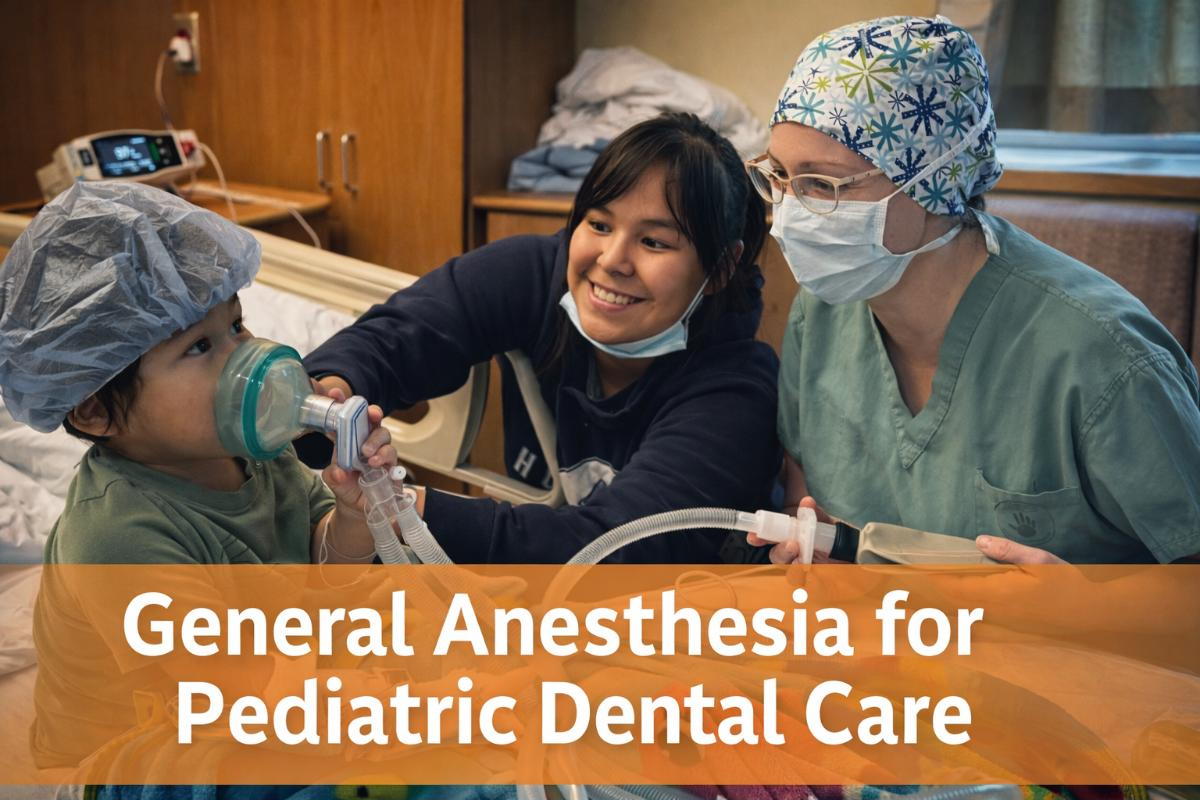
General Anesthesia for Pediatric Dental Care in Houston: What Parents Need to Know
General anesthesia for pediatric dental care allows a child to be fully asleep during dental treatment so all necessary procedures can be completed safely and comfortably in one visit. While many children can receive dental care using behavior guidance or mild sedation, some situations require a deeper level of support. General anesthesia ensures that your child does not feel pain, does not experience fear during treatment, and does not remember the procedure afterward. Some children need general anesthesia because they are too young to sit through complex dental work. Others may have extensive tooth decay, special healthcare needs, or previous traumatic dental experiences that make in-office treatment very difficult. In these cases, completing treatment while a child is fully asleep can protect both their emotional well-being and their long-term oral health.
Safety is the top priority. When general anesthesia is administered by trained professionals in a hospital setting, it is carefully monitored from start to finish. Vital signs such as heart rate, oxygen levels, breathing, and blood pressure are continuously tracked to ensure your child remains stable throughout the procedure. At Dental Clinics of Texas, we provide hospital-based pediatric dental care in Houston for children who require general anesthesia. Our team works closely with experienced anesthesiology professionals to deliver safe, coordinated care designed specifically for young patients.
What Is General Anesthesia for Pediatric Dental Care?
General anesthesia for pediatric dental care means your child is fully asleep during treatment. They will not feel pain, hear sounds, or remember the procedure. Their breathing is supported and monitored throughout the entire appointment, and a trained anesthesia provider stays present at all times to manage their comfort and safety. This level of anesthesia is different from lighter forms of sedation that may still leave a child partially aware. General anesthesia is used only when necessary and is typically performed in a hospital environment where advanced monitoring equipment and emergency resources are immediately available.
How General Anesthesia Is Different From Other Sedation Options
Nitrous oxide: Your child is awake but relaxed. They can respond to instructions and breathe on their own.
Oral sedation: Your child becomes sleepy and less aware but is not fully asleep. Some memory of the visit may remain.
IV sedation: A deeper level of relaxation delivered through a vein. Your child may drift in and out of awareness.
General anesthesia: Your child is fully asleep with controlled breathing and continuous medical monitoring. They will not feel pain or remember the treatment.
Understanding these differences helps parents make informed decisions. General anesthesia is not the first option for most children, but when recommended, it serves a clear and important purpose.
When Is General Anesthesia for Pediatric Dental Care Recommended?
General anesthesia is recommended only after a careful evaluation of your child’s dental needs, medical history, and ability to cooperate during treatment. Pediatric dentists always consider less invasive options first. However, certain situations make general anesthesia the safest and most effective choice.
General anesthesia may be recommended when:
A child is very young and cannot cooperate for lengthy procedures
There is severe early childhood decay requiring extensive treatment
Multiple procedures need to be completed in one visit
A child has special healthcare needs that make in-office care difficult
Past dental visits were traumatic and caused extreme fear
Other sedation options were not successful
Each recommendation is made with a safety-first approach. The goal is not simply to complete treatment, but to protect your child’s emotional health, prevent repeated stressful visits, and reduce the risk of dental problems worsening over time. By completing necessary care in a single, controlled setting, general anesthesia can often prevent more serious complications later and support long-term oral health stability.
Why General Anesthesia for Pediatric Dental Care Can Be the Safer Option
General anesthesia for pediatric dental care is sometimes the safest choice because it allows all necessary treatment to be completed in one carefully controlled visit. For children who need extensive dental work, spreading treatment across multiple appointments can increase stress, delay care, and allow dental problems to worsen. When treatment is completed in a single session under hospital-based monitoring, it reduces both emotional and medical risks.
Benefits include:
All treatment completed in one visit
No memory of the procedure
Reduced emotional stress
Better quality dental work
Fewer repeat procedures
Completing treatment at once prevents repeated exposure to anxiety and discomfort. It also allows the pediatric dentist to focus fully on long-lasting solutions instead of temporary fixes. When dental decay is treated thoroughly, the risk of infection, pain, and emergency visits decreases. This approach supports healthy development of both baby and permanent teeth. In many cases, choosing general anesthesia helps protect your child’s long-term oral health while preventing repeated stressful experiences.
What Happens Before General Anesthesia for Pediatric Dental Care?
Before scheduling general anesthesia for pediatric dental care, your child goes through a careful evaluation process. This ensures that the procedure is appropriate, safe, and planned according to your child’s specific needs. Every step is designed to minimize risk and prepare both parents and the dental team for a smooth experience.
Pre-Procedure Steps
Full medical history review
Physical evaluation
Discussion with parents about treatment plan and questions
Hospital scheduling and coordination
Fasting instructions before the procedure
The pediatric dentist reviews your child’s dental condition and overall health to confirm that general anesthesia is the right option. Parents receive clear instructions about eating and drinking before the appointment, as proper fasting reduces anesthesia-related risks. This process involves close teamwork between the pediatric dentist and the anesthesiologist. Both professionals review medical information, discuss the treatment plan, and coordinate care. Working together ensures that every safety measure is in place before your child enters the hospital setting.
What Happens on the Day of General Anesthesia for Pediatric Dental Care?
On the day of general anesthesia for pediatric dental care, everything follows a structured and carefully monitored process. The hospital team focuses on safety, comfort, and clear communication with parents from arrival to discharge.
Hospital check-in
Meeting the anesthesia team
Monitoring equipment placement
Safe induction of anesthesia
Dental treatment performed
Recovery room monitoring
After check-in, you will meet the anesthesia provider who reviews your child’s medical information and answers final questions. Monitoring equipment is placed to track heart rate, breathing, oxygen levels, and blood pressure. Once anesthesia is safely administered, your child falls fully asleep. The dental team then completes all planned treatment while the anesthesiologist continuously monitors vital signs. Following treatment, your child is moved to a recovery area where medical staff observe them closely until they wake up safely. Parents are informed throughout the process. This structured approach ensures that general anesthesia for pediatric dental care is delivered in a controlled environment with constant professional supervision.
Is General Anesthesia for Pediatric Dental Care Safe?
General anesthesia for pediatric dental care is considered safe when performed in a hospital setting by trained professionals. Parents often feel anxious when they hear the words “general anesthesia,” but safety standards in pediatric medicine are strict and carefully followed. Every child is evaluated before the procedure to ensure they are a good candidate. During treatment, a dedicated anesthesia professional monitors your child continuously from start to finish.
Safety is built into every step of the process.
Safety Measures
Board-certified anesthesiologist present throughout the procedure
Continuous heart and oxygen monitoring to track vital signs in real time
Advanced airway management to support safe breathing
Emergency equipment on site and ready if needed
Strict hospital protocols designed specifically for pediatric patients
These measures are not optional. They are standard requirements in hospital-based pediatric dental care. The anesthesia provider focuses only on your child’s medical stability while the dentist completes treatment. This separation of roles ensures careful attention to both safety and quality of care.
What About Brain Development?
Many parents worry about whether general anesthesia affects brain development. This is an important and understandable concern. Modern anesthesia is carefully dosed based on your child’s age, weight, and medical condition. Large research studies show that short, medically necessary procedures are generally safe for children. Pediatric specialists do not recommend general anesthesia unless the benefits clearly outweigh the risks. Every decision is made thoughtfully, with your child’s long-term health in mind.
Possible Risks of General Anesthesia for Pediatric Dental Care
All medical procedures carry some level of risk, and general anesthesia for pediatric dental care is no exception. However, serious complications are rare when proper screening and hospital monitoring are in place. Most side effects, if they occur, are temporary and mild.
Common temporary effects:
Sleepiness
Mild nausea
Sore throat
Irritability
Rare risks:
Breathing issues
Allergic reactions
The risk of complications is reduced through careful pre-procedure evaluation, proper fasting, professional monitoring, and strict adherence to pediatric anesthesia guidelines. By conducting the procedure in a hospital setting with trained specialists and advanced equipment, the team is prepared to manage concerns immediately. Thorough planning and monitoring significantly lower the likelihood of serious problems.
Recovery After General Anesthesia for Pediatric Dental Care
Recovery after general anesthesia for pediatric dental care is usually smooth. Most children wake up gradually and return home the same day. The hospital team ensures your child is alert and stable before discharge.
Parents should expect:
Grogginess for several hours
Light meals at first
Close supervision for 24 hours
A scheduled follow-up appointment
Your child may be sleepy, slightly unsteady, or less active during the first day. Soft foods and clear liquids are typically recommended until their appetite returns to normal. It is important to monitor your child closely and limit physical activity during this period. Call the dentist if your child experiences persistent vomiting, difficulty breathing, uncontrolled pain, high fever, or excessive bleeding. While these situations are uncommon, prompt communication ensures quick support if needed. With proper home care and follow-up, most children recover fully within a day and return to their normal routine soon after.
Frequently Asked Questions About General Anesthesia for Pediatric Dental Care
Parents often have important questions before agreeing to general anesthesia for pediatric dental care. Clear answers help families feel confident and prepared. Below are some of the most common concerns we hear from parents in Houston.
Q. Will my child feel pain after the procedure?
Most children experience little to mild discomfort after treatment. The dental work itself is completed while your child is fully asleep, so they do not feel pain during the procedure. After waking up, there may be some soreness depending on the type of treatment performed, especially if extractions were necessary. Pain is usually manageable with recommended medications and improves within a few days.
Q. How long does general anesthesia last?
General anesthesia typically lasts between one to four hours, depending on the amount of dental work required. The anesthesia is carefully controlled throughout the procedure. Most children begin waking up shortly after treatment is complete and are monitored in recovery until they are stable and alert enough to go home the same day.
Q. Can I stay with my child?
Hospital policies usually allow parents to stay with their child before the procedure begins. During anesthesia and treatment, parents must wait in a designated area for safety reasons. Once your child moves to recovery and begins waking up, you are typically allowed to join them. The care team will guide you through each step so you know what to expect.
Q. Is general anesthesia covered by insurance?
Coverage depends on your specific insurance plan and the medical necessity of the procedure. Many insurance providers offer partial or full coverage when general anesthesia is considered necessary for safe dental treatment. Our office helps families review benefits and understand expected costs before scheduling hospital-based care.
Q. Will my child remember anything?
Children do not remember the procedure when general anesthesia is used. One of the benefits of general anesthesia for pediatric dental care is that it prevents awareness and memory of treatment. This can help avoid long-term dental fear and supports a more positive attitude toward future visits.
Why Choose Dental Clinics of Texas for General Anesthesia for Pediatric Dental Care in Houston?
Choosing the right team matters when your child needs hospital-based dental treatment. Dental Clinics of Texas has experience providing pediatric hospital dentistry for children who require general anesthesia. Our team carefully evaluates each case and recommends this option only when it is truly the safest and most effective solution.
We work closely with experienced anesthesia specialists in a hospital setting. This collaboration ensures that your child’s medical care and dental treatment are managed by trained professionals who focus on pediatric safety. Every step, from evaluation to recovery, follows strict protocols designed to protect young patients.
Our approach prioritizes comfort, clear communication, and long-term oral health. Families throughout Houston, Cypress, and Katy trust us because we take time to answer questions and guide parents through each stage of the process. Our goal is to provide safe treatment while helping children maintain healthy smiles for years to come.
Schedule a Consultation for General Anesthesia for Pediatric Dental Care
If your child has been recommended for general anesthesia for pediatric dental care, contact Dental Clinics of Texas today. Call our office at 832-427-1901 to schedule a consultation and discuss your child’s specific needs. Ask questions, review treatment options, and learn whether hospital-based pediatric dental care is the right choice. Our team is ready to guide you through the next steps with clarity and care.