
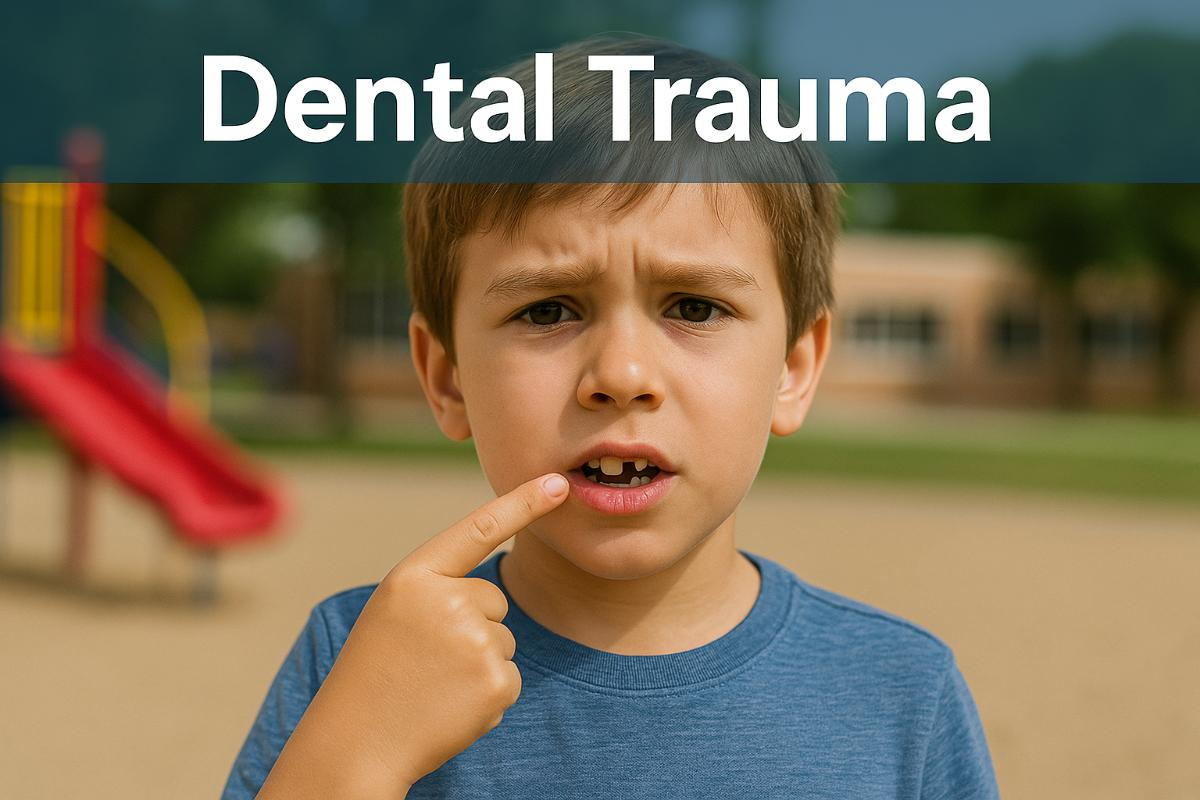
Emergency Dental Trauma Treatment for Kids After Playground Injuries
Playgrounds are a place for fun and exploration, but they’re also one of the most common locations where kids experience dental trauma. Whether it’s a slip from a slide, a collision during tag, or a fall off the monkey bars, children’s teeth can take a hit in ways that require immediate attention.
When dental trauma happens, acting quickly and knowing the right steps can mean the difference between saving a tooth or facing long-term complications. Understanding what to do in those first critical minutes is essential for every parent or caregiver.
At Dental Clinics of Texas, we specialize in emergency pediatric dental care in Houston and nearby communities. Our experienced team provides effective care tailored to children, especially during dental emergencies like playground tooth injuries.
What Is Dental Trauma in Children?
Dental trauma in kids refers to any injury to the teeth, gums, or surrounding tissues. These injuries are often sudden and unexpected, caused by falls, sports mishaps, playground accidents, or even roughhousing at home.
Pediatric dental trauma can range from a small chip in a tooth to a completely knocked-out tooth. Because children’s teeth are still developing, even minor injuries need to be evaluated by a pediatric dentist to prevent long-term damage.
Playground tooth injuries are especially common, as kids may fall face-first or collide with equipment or peers. Knowing the signs of dental trauma and how to respond is critical to ensuring a child’s smile heals properly and stays healthy.
Types of Dental Trauma in Kids
Children can experience different types of dental trauma depending on the force of the injury and which part of the mouth is affected. Each situation requires its own form of care. Here are the most common types of dental trauma:
Chipped or Broken Tooth
A chipped tooth may seem minor, but it can cause sensitivity or leave the inner layers of the tooth exposed. Broken teeth may also affect the way a child eats or speaks. In some cases, the damage is only cosmetic, while in others, structural repair is necessary.
Knocked-Out Tooth (Avulsed Tooth)
This is one of the most serious dental emergencies. If a permanent tooth is knocked out, it needs to be re-implanted within 30 to 60 minutes for the best chance of survival. The tooth should be handled carefully by the crown, not the root, and stored in milk or saliva if it cannot be placed back in the socket.
Loose or Dislodged Tooth
A blow to the mouth may cause a tooth to shift or become loose. This type of injury may not involve visible damage but can affect the tooth’s root or supporting structures. Stabilization by a pediatric dentist is often required.
Fractured Root or Tooth
Fractures below the gum line aren’t always visible but can be painful and lead to infection if untreated. X-rays are necessary to detect these injuries, and treatment may involve root canals or extractions depending on the severity.
Soft Tissue Injuries
Injuries to the lips, gums, or tongue often occur alongside tooth trauma. These injuries may bleed heavily but often look worse than they are. A dentist will assess whether stitches or medication are needed and ensure no tooth fragments are lodged in the tissue.
First Aid for Dental Trauma: What Parents Should Do Immediately
In the event of a dental injury, quick action can make all the difference. This dental trauma guide outlines what parents should do immediately after a playground accident to protect their child’s teeth and reduce complications.
Stay calm and comfort the child. Your reaction sets the tone. Speak reassuringly and help your child stay still while you assess the injury.
Stop any bleeding. Use clean gauze or a soft cloth to apply gentle pressure to the affected area.
Inspect the mouth gently. Look for broken teeth, swelling, or loose teeth. Avoid poking or moving any damaged tooth.
Preserve a knocked-out tooth. Handle it by the crown (not the root). Place it in milk, the child’s saliva, or a Save-a-Tooth kit if available.
Do not scrub the tooth. Rinse gently with water only.
Apply a cold compress. This helps control pain and swelling.
Use child-safe pain medication. Ibuprofen or acetaminophen can be given if needed, but avoid aspirin.
Avoid food or drinks. Until a pediatric dentist evaluates the injury, it's safest not to eat or drink anything.
Following these steps can significantly improve the chances of saving a tooth and avoiding long-term damage. According to guidelines from the American Academy of Pediatric Dentistry (AAPD), a certified authority on children's oral health, timely treatment and proper follow-up are critical after a dental trauma. Their clinical recommendations support the importance of seeing a pediatric dentist within minutes to hours of the injury, especially if a permanent tooth is involved.
When to Call the Dentist for a Dental Trauma Emergency
Not every dental injury requires a trip to the ER, but certain signs mean it's time to seek immediate care. If you're searching online for a dental trauma emergency near me, here’s when to take action right away.
Contact a pediatric dentist if your child experiences any of the following:
A knocked-out permanent tooth: Timing is critical. The sooner the tooth is reinserted or stabilized, the better the outcome.
Bleeding that doesn’t stop: If bleeding continues after 10 minutes of pressure, it could signal a deeper injury.
Severe pain or swelling: These symptoms may indicate infection, nerve involvement, or bone trauma.
Tooth turns gray, black, or dark: This may be a sign of pulp (nerve) death and needs evaluation.
Swollen or infected gums: Look for bumps, pus, or discoloration near the injured tooth.
At Dental Clinics of Texas, we provide same-day pediatric dental emergency care in Houston and surrounding areas. Our experienced team is trained to handle urgent injuries in a calm, child-friendly environment. If you're unsure whether the injury is serious, it's always better to call, our staff will guide you through the next steps.
How We Treat Pediatric Dental Trauma at Dental Clinics of Texas
At Dental Clinics of Texas, we take pediatric dental trauma seriously. Every case is handled by professionals with experience in children’s dental emergencies. From mild injuries like chipped teeth to severe trauma like tooth avulsion, our care is tailored to minimize discomfort and restore your child’s smile.
When you arrive, we’ll start with a thorough evaluation. That may include X-rays to assess hidden fractures or root damage. Our team will explain the situation in clear terms and guide you through treatment options. In some cases, sedation may be used to help your child stay calm and pain-free, we offer both in-office options and hospital dentistry for more complex needs.
Our approach to dental trauma treatment goes beyond immediate repair. We emphasize follow-up care, monitoring the injured tooth over time to ensure proper healing and development. Whether it’s placing a crown, performing a pulpotomy, or checking alignment in future visits, we’re here for the long run.
We serve families in Houston, Cypress, Katy, and nearby areas, and we’re equipped to care for children with special health needs as well. If your child experiences a dental emergency, you can count on our skilled and compassionate team to respond quickly and professionally.
Long-Term Effects of Untreated Dental Trauma
When a child experiences a dental injury, it may not always seem serious in the moment. However, ignoring or delaying treatment can lead to serious dental trauma complications down the road. Even a seemingly small issue, like a chipped tooth in a child, can result in long-term problems if left unaddressed.
One of the most common complications is infection. If the tooth’s root or pulp becomes damaged, bacteria can enter and spread to nearby tissues, causing abscesses or even affecting developing adult teeth. In some cases, untreated trauma can lead to tooth loss, especially when the injury affects the tooth’s support structure or goes unnoticed for too long.
For younger children, injuries to baby teeth can affect how adult teeth erupt later. A damaged baby tooth may interfere with spacing, alignment, or even the health of the permanent tooth beneath it. That’s why it’s important to have all dental injuries evaluated, even if they seem minor or don’t cause immediate pain. By monitoring your child’s dental health after an injury and attending all follow-up visits, you give them the best chance at long-term oral health and a confident smile.
How to Prevent Playground Tooth Injuries
While accidents can’t always be avoided, many playground tooth injuries are preventable with a few simple safety habits. Taking action now can reduce your child’s risk of needing emergency care later. The following tips can help with preventing dental trauma during play.
Use mouthguards during sports
Children who participate in contact sports like basketball, football, or soccer should wear a properly fitted mouthguard. It cushions impact and protects both teeth and soft tissues during falls or collisions.
Supervise active play
Close supervision, especially with younger children, helps reduce rough behavior and gives you a chance to intervene before an accident happens.
Avoid risky equipment or unsafe conditions
Check that playground equipment is age-appropriate, in good condition, and not too high off the ground. Surfaces should be padded or made from materials that soften falls.
Teach safe play habits
Simple rules, like no pushing, no running with objects in the mouth, and always using playground equipment correctly, go a long way in reducing injury.
Making these precautions part of your family’s routine not only prevents injury but builds awareness in your child about playing safely. It’s a small investment in your child’s well-being that can make a big difference.
What to Do If a Baby Tooth Is Injured
Not all dental trauma involves permanent teeth. Young children are just as likely, if not more, to injure their baby teeth during play, and it’s important to understand how to respond. Unlike permanent teeth, knocked-out baby teeth are not re-implanted. Trying to place them back in the socket can damage the developing adult tooth underneath. Even though baby teeth eventually fall out, they play a crucial role in helping kids chew, speak clearly, and guide permanent teeth into place. That’s why any injury, even to a baby tooth, should be taken seriously.
If your child knocks out or damages a baby tooth, gently rinse their mouth with water and apply a cold compress to reduce swelling. Use child-safe pain relievers if needed. Then contact a pediatric dentist as soon as possible. They’ll assess whether follow-up care is necessary and watch for signs of infection or complications. Dental trauma in kids can affect future oral development if left untreated, even when baby teeth are involved. A timely visit to the dentist ensures your child stays comfortable, heals properly, and continues to build healthy dental habits.
Follow-Up Care After a Playground Tooth Injury
Even when a dental injury seems minor, follow-up care is essential. In many cases, a child may feel fine shortly after an accident, but that doesn’t always mean the teeth are fully healthy. Hidden damage, such as root fractures or pulp injuries, can take days or even weeks to show symptoms. According to professional dental trauma guidelines, early evaluation and consistent monitoring help prevent complications like infection or tooth loss.
A follow-up visit allows the pediatric dentist to check for any signs of delayed issues and monitor the tooth’s stability, color, and response to pressure. If the injury involves a baby tooth, the dentist will also assess how it might affect the development of the permanent tooth underneath.
Skipping follow-ups could result in permanent damage or loss of the tooth, even if there were no immediate symptoms. That’s why Dental Clinics of Texas emphasizes complete care, including post-treatment evaluations, for all patients experiencing playground tooth injuries.
When a Tooth Can Be Saved (And When It Can’t)
Time matters when it comes to dental injuries, especially when a permanent tooth has been knocked out. The first 30 to 60 minutes after the injury is a critical window. If the tooth is properly handled and reinserted by a pediatric dentist during that time, there’s a much higher chance it can be saved.
To improve the chances of success:
Only touch the tooth by the crown, not the root.
Do not scrub or clean it aggressively.
Store it in milk or your child’s saliva if re-insertion isn’t possible right away.
Get to a pediatric dental office immediately.
In contrast, baby teeth should not be re-implanted. Trying to place them back in the socket can damage the growing adult teeth underneath. In those cases, the focus shifts to pain management and long-term monitoring.
Quick action is key to saving a tooth, or protecting what's next in line. That’s why parents should never wait or assume the damage is minor. Dental Clinics of Texas is prepared to evaluate and treat dental trauma efficiently, giving your child the best chance for full recovery.
Call Us for Emergency Pediatric Dental Trauma Treatment in Houston
Dental trauma can be scary, but fast, expert care can make all the difference. If your child has experienced a playground-related dental injury, we’re here to help. Dental Clinics of Texas provides same-day emergency care for children across Houston, Cypress, Katy, and nearby communities.
Our clinic offers both in-office and hospital-based treatment options for complex cases, including for children with special health needs or anxiety. We understand that dental trauma requires immediate attention and compassionate care. That’s why our pediatric dental team is trained to treat injuries gently and thoroughly, keeping your child as comfortable as possible.
If you're searching for a dental trauma emergency near me, don’t delay. Call us at (832) 427-1901 for immediate assistance or walk-in emergency appointments. Your child’s smile is in good hands and we’re ready when you need us most.