
When it comes to children’s dental health, acting early can make all the difference. One of the most effective tools in pediatric dentistry is the dental crown, a protective cap placed over a damaged or decayed baby tooth. While many parents assume baby teeth aren’t worth fixing because they’ll eventually fall out, that’s far from the truth. A severely decayed or fractured tooth can lead to pain, infection, and even impact the proper growth and alignment of permanent teeth. In such cases, crowns not only restore function but also protect your child’s oral development.
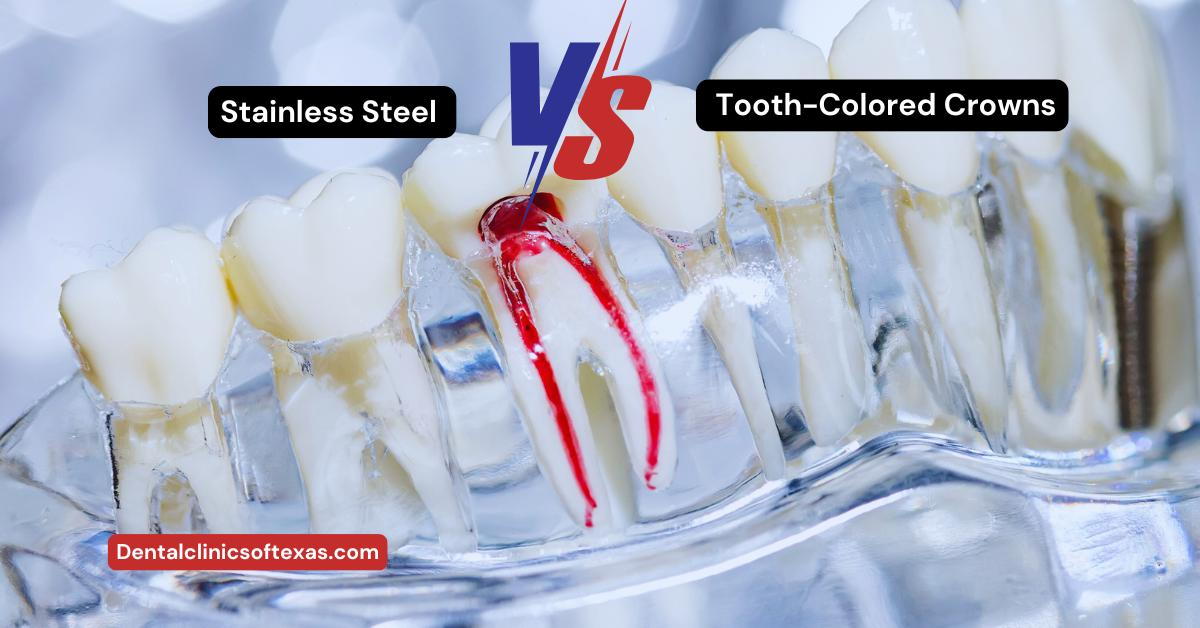
There are two main types of dental crowns for kids: stainless steel crowns and tooth-colored crowns. Each serves a specific purpose, and understanding the difference helps parents make confident, informed decisions. This guide will break down the benefits, differences, and best use cases for each, so you know exactly what’s right for your child’s smile.
What Are Dental Crowns for Children?
A dental crown is a custom-made covering that fits over a tooth to restore its shape, strength, and function. In pediatric dentistry, crowns are commonly used to protect primary (baby) teeth that are too damaged by decay or trauma to support a traditional filling. These crowns play a critical role in preserving a child’s oral health, especially when the affected tooth is expected to remain in the mouth for several years.
By shielding the tooth from further damage, a crown helps maintain proper spacing for adult teeth, prevents infection, and allows the child to chew and speak normally. In short, crowns are not just about fixing a problem, they’re about setting the stage for long-term dental stability.
Stainless Steel Crowns: Features and Benefits
Made from medical-grade stainless steel
Commonly used for back baby teeth (molars)
Extremely durable and long-lasting
Affordable and widely available
Usually placed in a single dental visit
Stainless steel crowns are a popular and trusted option in pediatric dentistry, especially for baby molars. These back teeth do the heavy lifting when it comes to chewing, so strength and durability are key. Stainless steel crowns are specifically designed to withstand biting forces without cracking or breaking. Because they are less visible in the mouth and more cost-effective than aesthetic alternatives, they are often the first choice for restoring back teeth in younger children.
Tooth-Colored Crowns: Features and Benefits
Made to match the natural tooth color
Ideal for front teeth or visible areas
Biocompatible and less likely to cause irritation
Blend well with other teeth for a natural look
Tooth-colored crowns, often referred to as white crowns for kids, are designed with aesthetics in mind. Typically made from zirconia or ceramic, these crowns offer a more natural appearance compared to their metallic counterparts. For parents who prioritize how their child’s smile looks, especially in photos, speech, or school settings, this option can be very appealing. Tooth-colored crowns are especially popular for front teeth, where visibility matters most. Along with their visual benefits, they are also biocompatible, reducing the risk of irritation or allergic reaction. While they may not be as strong as stainless steel, their blend of comfort and appearance makes them a preferred choice for many families.
Comparison Table: Stainless Steel vs. Tooth-Colored Crowns
Feature | Stainless Steel Crowns | Tooth-Colored Crowns |
Appearance | Metallic, visible | Natural, blends with teeth |
Best For | Back teeth (molars) | Front or visible teeth |
Durability | Very high | Moderate to high |
Cost | Lower | Higher |
Dental Visits | Typically one | May require more preparation |
Risk of Chipping | Low | Moderate |
Lifespan (baby teeth) | Until tooth naturally falls out | Until tooth naturally falls out |
This comparison helps parents see the key differences side-by-side, so they can choose what best suits their child's dental needs and lifestyle.
How to Choose the Right Crown for Your Child?
No crown is universally better. The right choice depends on a mix of practical and personal factors. While durability, appearance, and cost are all important, each child’s dental needs and behavior patterns play a role in selecting the most suitable option.
Here’s how to decide:
Tooth location: Use white crowns for front teeth, where looks matter more, and stainless steel for back molars that need strength.
Age of child: Younger children with baby molars may benefit from the long-lasting protection of stainless steel.
Child’s habits: If your child grinds their teeth or tends to chew hard items, stainless steel may hold up better.
Budget: Tooth-colored crowns often cost more and might not be fully covered by insurance.
Sensitivity to metals: If your child has metal allergies or sensitivities, biocompatible materials like zirconia may be the safer choice.
Common Questions Parents Ask (FAQs)
Do baby teeth really need crowns if they’ll fall out?
Yes. Even though baby teeth are temporary, untreated decay can lead to pain, infections, and problems with the way permanent teeth grow in.Are white crowns safe for kids?
Yes. They’re made from safe, biocompatible materials and approved for use in children.How long do crowns on baby teeth last?
Crowns usually stay in place until the baby tooth naturally falls out. However, they can come loose if damaged or not cared for properly.Can my child eat normally after getting a crown?
Mostly yes. Just avoid hard or sticky foods for a few days to keep the crown from coming loose.Will insurance cover white crowns?
It depends on your dental plan. Many plans fully cover stainless steel crowns, but white crowns might only be covered if they’re considered medically necessary.
Caring for Crowns After Placement
Proper maintenance after crown placement is essential for ensuring both the longevity of the crown and the health of the surrounding tooth and gum tissue. Although dental crowns are designed to be durable, especially in pediatric patients, they still require consistent care to prevent complications like loosening, decay around the margins, or gingival inflammation. Here’s a comprehensive care guide every parent should follow:
Avoid Sticky and Hard Foods for the First Few Days
After crown placement, your child should avoid foods like chewing gum, taffy, caramel, popcorn kernels, ice, and hard candy. Sticky foods can latch onto the crown and gradually loosen the cement, while hard foods may exert excessive force and cause damage. This is especially critical in the first 48–72 hours when the cement is still setting completely.Brush Twice Daily, Especially Around the Crown Margin
Use a soft-bristled toothbrush and a pea-sized amount of fluoride toothpaste to gently clean around the crowned tooth. Pay special attention to the gumline and crown margins, where plaque buildup can lead to secondary decay or gingival irritation. Consistent brushing helps prevent recurrent caries, which is a common cause of failure in crowned primary teeth.Flossing Is Essential, Use the Proper Technique
If the crown is on a front tooth, daily flossing is highly recommended. Parents should help younger children by using floss picks or threading tools to gently slide the floss between teeth and avoid pulling upward forcefully, which could dislodge the crown. Slide the floss out sideways instead to reduce pressure on the crown edges.Schedule Regular Follow-Up Appointments
Routine dental checkups (typically every 6 months) allow the pediatric dentist to assess the integrity of the crown, look for any signs of wear or damage, and ensure surrounding teeth and gums remain healthy. If your child has a history of dental anxiety, sedation-friendly options may help ease future visits.Watch for Signs of Crown Displacement or Discomfort
If the crown feels loose, appears misaligned, or causes your child pain when biting, contact your dentist promptly. These could be signs of cement breakdown, marginal leakage, or soft tissue irritation. Early intervention helps avoid more invasive treatment or early crown failure.
Final Thoughts: Let’s Choose What’s Right for Your Child
Both stainless steel and tooth-colored crowns are safe, effective options for restoring your child’s smile. The right choice depends on your child’s age, the location of the tooth, your budget, and your preference for appearance. While stainless steel crowns are great for back teeth that need durability, tooth-colored crowns offer a more natural look for front teeth. If you’re unsure which is best, your pediatric dentist can help you decide based on your child’s unique needs, so you can move forward with confidence.
Ready to Make the Right Choice for Your Child’s Smile?
If you're unsure which crown is best for your child or have questions about aftercare, our experienced pediatric dental team is here to help. At Dental Clinics of Texas, we’re committed to providing personalized, gentle, and effective care for every child. Contact us today to schedule a consultation and give your child a confident, healthy smile that lasts.