
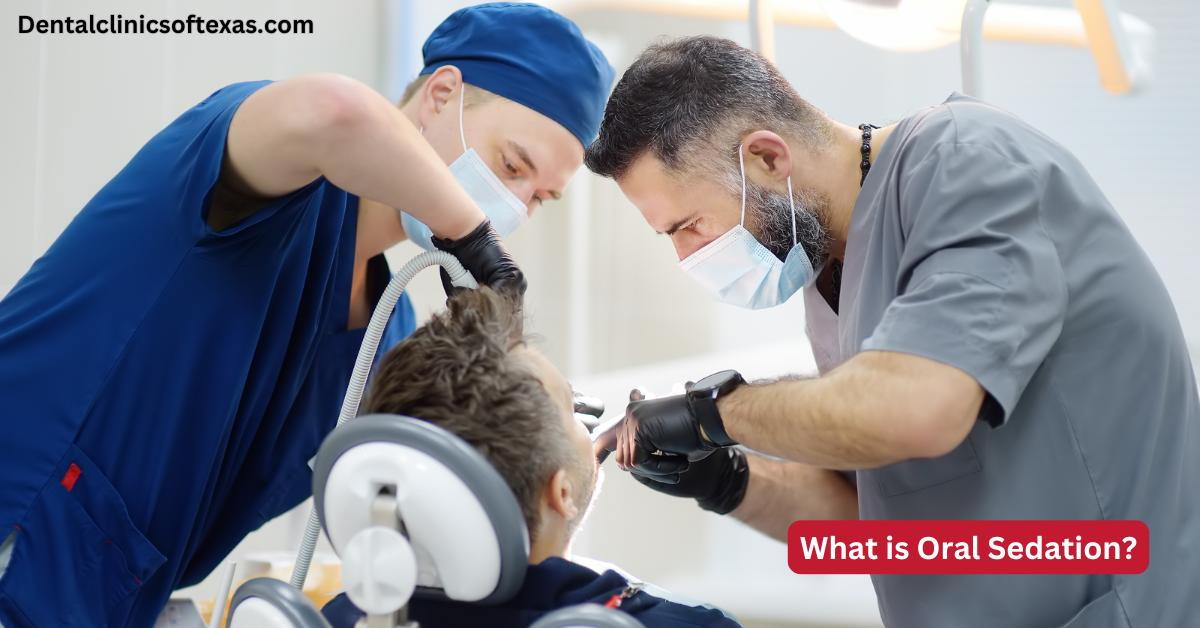
Oral sedation is a safe and effective method used in dentistry to help patients feel relaxed and comfortable during procedures. It involves taking a prescribed sedative in pill or liquid form before treatment, making it an excellent option for individuals with dental anxiety or phobia. Many people avoid dental visits due to fear or discomfort, which can lead to serious oral health issues. Oral sedation helps overcome this challenge by reducing stress and making treatment more manageable.
This guide explains what oral sedation is, how it works, and its benefits, ensuring you have all the necessary information before considering it for your next dental visit.
What is Oral Sedation?
Oral sedation is a moderate sedation technique that helps patients remain calm during dental procedures while staying conscious. Unlike general anesthesia, which causes complete unconsciousness, oral sedation allows patients to respond to verbal cues while experiencing deep relaxation.
Key Features of Oral Sedation:
Taken in pill or liquid form before the procedure.
Induces drowsiness but does not cause full unconsciousness.
Helps patients with anxiety, dental phobia, or low pain tolerance.
Often results in mild amnesia, meaning patients may not remember much of the procedure.
This method is commonly used for routine dental procedures such as fillings, root canals, and extractions, making visits to the dentist more comfortable and stress-free.
How Does Oral Sedation Work?
Oral sedation works by slowing down brain activity, reducing anxiety, and creating a sense of calm. It helps patients feel at ease without putting them completely to sleep, allowing the dentist to perform the procedure efficiently.
Process of Oral Sedation:
The patient takes the prescribed sedative about an hour before the procedure.
The medication gradually takes effect, making the patient feel relaxed and drowsy.
The dentist continuously monitors vital signs, such as heart rate and oxygen levels, to ensure safety.
Effects can last for several hours, requiring the patient to have someone available to drive them home after the appointment.
The level of sedation varies depending on the dosage and the patient’s response. While some may feel only mildly relaxed, others may become groggy enough to doze off during the procedure. However, patients remain responsive and can be easily awakened if needed.
Oral sedation is a reliable option for individuals who struggle with dental anxiety or require extensive dental work, ensuring a comfortable and worry-free experience.
Do You Feel Pain with Oral Sedation?
Oral sedation does not completely block pain, but it significantly reduces discomfort and anxiety during dental procedures. It works by helping patients feel calm and relaxed, making the overall experience much easier to handle. However, because oral sedation mainly targets anxiety rather than pain, dentists still use local anesthesia to numb the treatment area. This ensures that patients do not feel pain while the dentist works.
Many people who choose oral sedation report little to no discomfort during their procedure. Some even have no memory of the treatment at all due to the mild amnesia effect that sedation can cause. This makes it a great option for those who feel nervous about dental visits or have had painful experiences in the past.
Who Should Consider Oral Sedation?
Oral sedation is a good choice for patients who:
Feel anxious or fearful about dental procedures.
Have a strong gag reflex that makes treatment difficult.
Struggle to stay still for long periods.
Need multiple or complex dental treatments in one visit.
Have a low pain tolerance or sensitivity to dental tools.
Have special healthcare needs that require extra comfort during procedures.
How Long Does Oral Sedation Last?
The effects of oral sedation vary depending on the type of medication used and how a patient’s body processes it. Some people may feel relaxed for only a few hours, while others experience lingering drowsiness for much longer.
General Timeline:
30 to 60 minutes before the procedure: The medication starts taking effect, making the patient feel calm and drowsy.
During the procedure (1 to 4 hours): Sedation reaches its peak, keeping the patient relaxed and anxiety-free.
After the procedure (up to 24 hours): Some drowsiness may continue, so patients should rest and avoid driving or operating machinery.
Types of Sedation Used in Dentistry
Different types of sedation are available in dentistry, depending on a patient’s level of anxiety, procedure length, and medical needs. The table below provides a comparison of the most common options:
Sedation Type | How It’s Administered | Effects | Who It’s Best For |
Nitrous Oxide | Inhaled through a mask | Light relaxation, wears off quickly | Patients with mild anxiety or short procedures |
Oral Sedation | Taken as a pill or liquid | Moderate sedation, may cause drowsiness or amnesia | Patients with moderate anxiety or a strong gag reflex |
IV Sedation | Injected into bloodstream | Deep relaxation, little to no memory of procedure | Patients with severe anxiety or long, invasive procedures |
General Anesthesia | Administered in a hospital setting | Full unconsciousness | Patients undergoing complex surgeries or those with special needs |
Each sedation method serves a different purpose, and the best choice depends on individual needs and the type of dental procedure being performed.
Is Oral Sedation Safe? Risks & Side Effects
Oral sedation is generally safe when administered by a qualified dentist. It is commonly used to help patients feel more at ease during dental treatments, but like any medication, it can have temporary side effects.
Common Side Effects:
Drowsiness and sluggishness
Dry mouth
Mild headache or nausea
Temporary memory loss of the procedure
Who Should Avoid Oral Sedation?
Pregnant women (unless approved by a doctor)
Patients with severe respiratory conditions
Individuals allergic to sedative medications
Most side effects wear off within a few hours, but patients should follow their dentist’s post-care instructions for a smooth recovery.
What to Expect Before, During, and After the Procedure
Understanding what happens at each stage of the process can help patients feel more prepared and confident about oral sedation.
Before the Procedure:
Discuss medical history and sedation options with the dentist.
Avoid eating or drinking for at least 6 hours before the appointment.
Arrange for a responsible adult to drive you home after the procedure.
During the Procedure:
Take the prescribed sedation medication at the recommended time.
Feel calm and drowsy but still be able to respond if needed.
Receive local anesthesia to ensure a pain-free experience.
After the Procedure:
Expect drowsiness for a few hours as the sedation wears off.
Avoid driving, working, or operating machinery for at least 24 hours.
Drink plenty of water and start with soft, light foods.
Follow all post-care instructions from the dentist to ensure a smooth recovery.
Conclusion
Oral sedation is a reliable and effective solution for individuals who experience dental anxiety, have difficulty sitting through long procedures, or need extra comfort during treatment. By promoting relaxation and reducing fear, it allows patients to receive the dental care they need without stress. Since oral sedation does not cause full unconsciousness, patients remain responsive while feeling calm and at ease. Additionally, its amnesia effect helps minimize negative memories of dental visits, making future treatments less intimidating.
While oral sedation is generally safe, it’s essential to consult with a qualified dentist to determine if it’s the right choice based on your medical history and needs. Understanding the procedure, its benefits, and recovery process can help you feel more prepared and confident about your treatment.
If you’re considering oral sedation, schedule a consultation with your dentist to discuss the best options for your situation. Contact our Pediatric Dentistry office today to learn more about stress-free dental care in Houston, Cypress, Katy.
FAQs
Q. What is the difference between sedation and anesthesia?
Sedation relaxes the patient while keeping them conscious, whereas anesthesia induces complete unconsciousness, preventing awareness or movement during a procedure.
Q. What does oral sedation do?
Oral sedation reduces anxiety and promotes relaxation during dental procedures. It makes patients feel drowsy but still responsive, often causing mild amnesia.
Q. What pill is used for oral sedation?
Common medications for oral sedation include triazolam (Halcion®), lorazepam (Ativan®), and diazepam (Valium®). Pediatric patients may receive midazolam in liquid form.
Q. How long does oral sedation last?
Oral sedation effects typically begin within 30 to 60 minutes, peak during the procedure, and may last for 1 to 4 hours. Some drowsiness can continue for up to 24 hours.
Q. Does sedation affect the brain?
Yes, sedation slows brain activity, reducing anxiety and inducing relaxation. It temporarily affects memory, coordination, and response time, but these effects wear off as the medication leaves the body.