Hospital Dentistry for Children in Cypress
Hospital Dentistry for Children Near You
Some children need extensive dental treatment but cannot complete it safely or comfortably during a regular appointment. At Dental Clinics of Texas, we provide hospital dentistry for children in Cypress to help eligible children receive necessary care under general anesthesia in an appropriate, closely monitored setting.
If you are looking for hospital dentistry for children near you, we can evaluate your child’s dental needs, medical history, age, and ability to tolerate treatment before recommending the safest appropriate setting. Our office serves families from Houston, Katy, Cypress, and surrounding communities.
What Is Hospital Dentistry for Children?
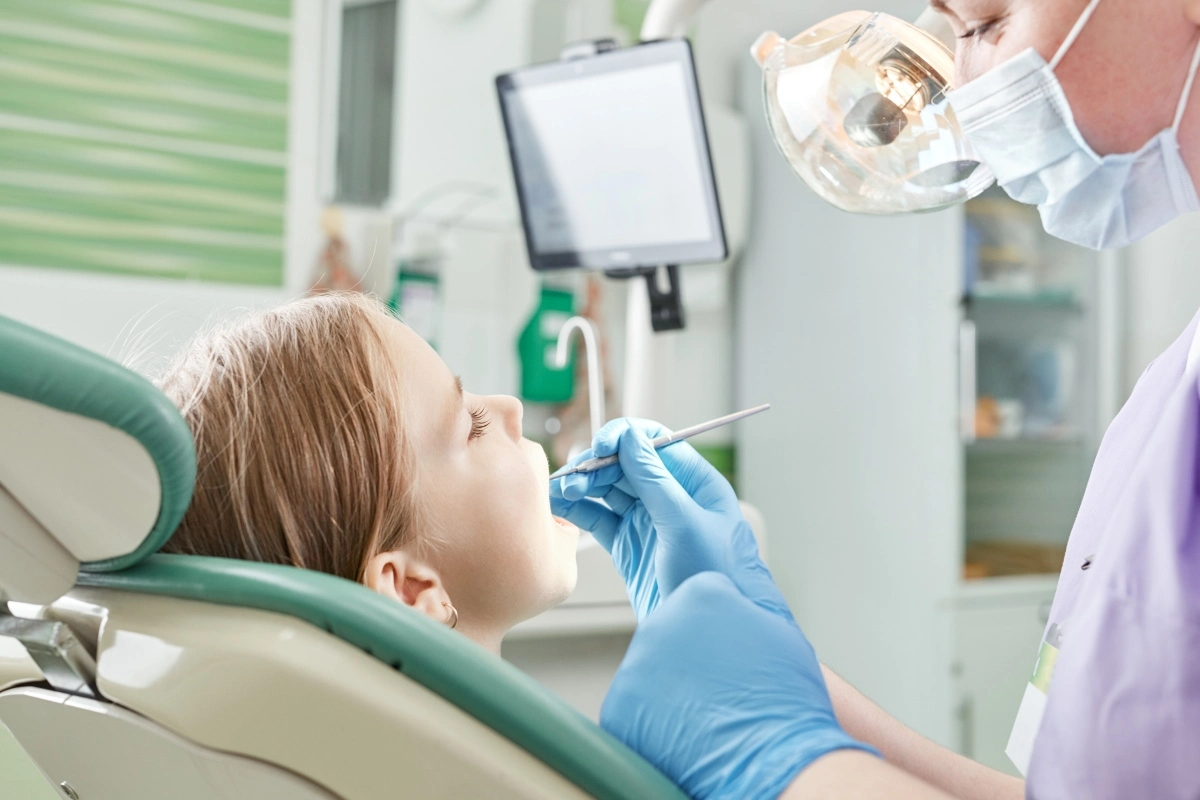
Hospital dentistry allows a pediatric dentist to complete planned dental procedures while a child is under general anesthesia in a hospital or surgical setting. Unlike mild or moderate sedation, general anesthesia places the child fully asleep throughout treatment.
This option may be considered when completing care during an office appointment would be unsafe, excessively stressful, or unlikely to succeed. It can also allow several necessary procedures to be completed during one carefully coordinated visit rather than through multiple difficult appointments.
Hospital dentistry is not recommended solely for convenience. We consider it only after evaluating the extent of treatment, your child’s health, their developmental level, and whether less intensive approaches are appropriate.
If you are considering hospital-based dental treatment, visit our pediatric dentist in Cypress for an examination.
When Should Children Visit the Dentist for Hospital Dentistry?
A consultation may be appropriate when a child has significant dental needs that cannot be managed safely during routine office care. Hospital treatment may be considered for children with:
Extensive tooth decay
Several cavities or severely damaged teeth may require lengthy restorative care.
Dental pain or infection
Infected or painful teeth may need prompt and comprehensive treatment.
A very young age
Toddlers and preschool-aged children may not be developmentally able to cooperate with complex procedures.
Severe dental anxiety
Intense fear may prevent a child from remaining calm or still during necessary care.
Special healthcare needs
Medical, developmental, behavioral, or sensory needs may make office treatment difficult or unsafe.
Previous unsuccessful treatment
Hospital care may be considered when reasonable office-based approaches have not allowed treatment to be completed.
Multiple planned procedures
Completing several restorations during one anesthetic may sometimes be more appropriate than scheduling repeated appointments.
Every child is evaluated individually. Having cavities or feeling nervous does not automatically mean that general anesthesia is necessary.
What Are the Benefits of Hospital Dentistry for Children?
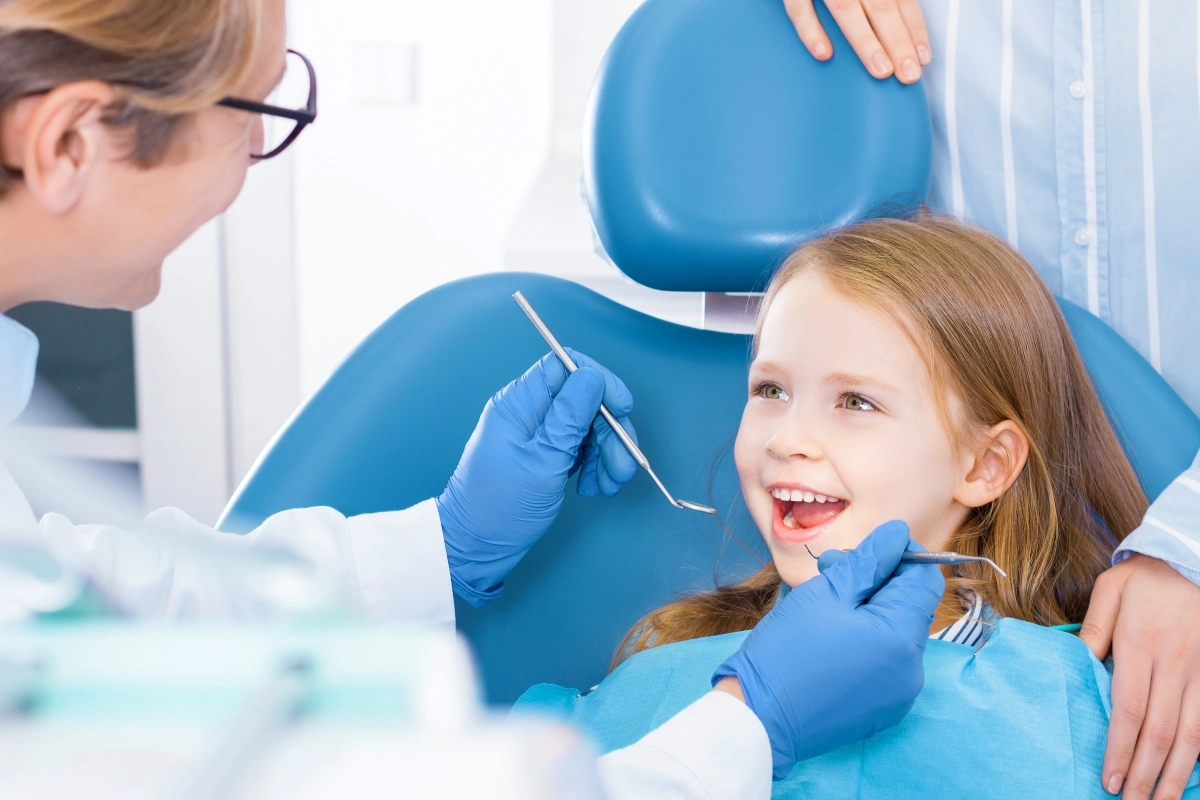
When carefully selected, hospital-based treatment may provide several advantages:
Controlled treatment conditions
General anesthesia prevents sudden movement while precise dental care is completed.
Reduced distress
The child remains asleep and does not experience the sounds, sights, or sensations of treatment.
Comprehensive care
Multiple necessary procedures may be completed during one planned visit.
Improved access
Children who cannot tolerate office-based care may still receive needed treatment.
Coordinated monitoring
Qualified professionals monitor the child throughout anesthesia and early recovery.
Fewer treatment visits
Completing comprehensive care at once may reduce the need for several stressful appointments.
If you are looking for a pediatric dentist near you for hospital dentistry, we can explain the possible benefits, limitations, alternatives, and risks based on your child’s individual needs.
What Treatments May Be Completed During Hospital Dentistry?
The specific procedures depend on the results of your child’s examination and the condition of each tooth. Treatment may include:
Dental fillings
Cavities may be cleaned and restored when enough healthy tooth structure remains.
Dental crowns
We may place crowns over extensively weakened or damaged baby teeth.
Pulp treatment
Treatment may be performed when decay has reached the inner tissue but the tooth can still be preserved.
Tooth extractions
Teeth that cannot be restored safely may need to be removed.
Preventive care
Clinically appropriate cleanings, fluoride applications, or sealants may be completed.
Diagnostic services
Necessary dental X-rays may be taken to confirm or update the treatment plan.
The treatment plan may change if the condition of a tooth appears different once it can be fully examined. We discuss this possibility with parents before the procedure.
How Does the Hospital Dentistry Process Work?
Hospital dental care requires coordination between the dental and anesthesia teams. The process generally includes:
Completing an examination
We assess your child’s teeth and determine which procedures may be needed.
Reviewing health information
Your child’s medical conditions, allergies, medications, previous anesthesia experiences, and recent illnesses are considered.
Discussing treatment options
We explain why hospital care may be recommended and review reasonable alternatives.
Providing preparation instructions
Parents receive directions regarding food, drinks, medications, arrival time, and transportation.
Administering anesthesia
General anesthesia is provided and monitored by appropriately qualified professionals.
Completing the treatment
We perform the planned dental procedures while your child remains asleep.
Monitoring recovery
Your child is observed after treatment until the discharge requirements are met.
Reviewing home care
We provide instructions for eating, drinking, medication, activity, oral hygiene, and follow-up visits.
Parents must follow all fasting and medication instructions exactly. Notify the care team if your child develops a cough, fever, breathing problem, vomiting, or another change in health before the scheduled procedure.
When you need hospital-based dental care near you, we provide clear preparation and recovery guidance to help you understand each stage of the process.
What Should Parents Expect After Hospital Dental Treatment?
Children commonly feel sleepy, irritable, unsteady, or mildly nauseated as the anesthesia wears off. They may also have temporary tenderness related to the dental procedures completed.
A responsible adult should supervise the child closely for the remainder of the day. Parents should:
Encourage rest
Limit running, climbing, sports, and other physical activities.
Offer fluids carefully
Begin with small amounts according to the discharge instructions.
Provide appropriate foods
Soft foods may be recommended once your child can eat safely.
Give medication correctly
Follow the provided dosage and timing instructions.
Monitor recovery
Watch for symptoms identified by the care team as requiring attention.
Seek prompt medical guidance for breathing difficulty, persistent vomiting, unusual difficulty waking, uncontrolled bleeding, or any other concerning symptoms.
Why Choose Dental Clinics of Texas for Hospital Dentistry for Children?
Hospital-based care requires detailed planning and a team that understands children’s dental and emotional needs. At Dental Clinics of Texas, we provide hospital dentistry for children near you to make advanced pediatric dental care more convenient and accessible. When you choose our team, you can expect:
Sixteen years of service
Our practice has cared for children and families for 16 years.
An experienced pediatric team
We understand childhood dental development, anxiety, behavior, and complex treatment needs.
A pediatric-only focus
Our primary services include preventive dentistry, fillings, crowns, sedation dentistry, special needs pediatric care, and hospital dentistry.
Individualized planning
We consider your child’s medical health, developmental needs, treatment requirements, and safety.
Clear parent communication
We explain the proposed procedures, preparation steps, alternatives, and recovery process.
Convenient scheduling
We offer weekday and Saturday availability for examinations and consultations.
Plan Your Child’s Dental Care in a Supportive Setting
When office-based treatment is not appropriate, carefully planned hospital care can help a child receive necessary treatment while asleep and closely monitored. At Dental Clinics of Texas, we provide hospital dentistry for children in Cypress based on each child’s dental, medical, and developmental needs.
Call us today at (832) 427-1901 to schedule a consultation and learn whether hospital dentistry may be appropriate for your child.
FAQs
How much does hospital dentistry for children cost?
The cost depends on the dental procedures, anesthesia services, treatment setting, and insurance coverage. Separate fees may apply for the dentist, anesthesia provider, and facility. We can explain the anticipated dental costs after evaluating your child.
How long does hospital dental treatment take?
The length of treatment varies according to the number and complexity of procedures. Additional time is also needed before treatment for preparation and afterward for monitored recovery.
How long does recovery last after general anesthesia?
Many children remain tired or less coordinated for the rest of the day. Some effects may continue into the following day. Follow the discharge instructions and keep your child under close adult supervision.
Is hospital dentistry covered by insurance?
Dental and medical coverage varies by plan and by the clinical reason for treatment. Dental procedures, anesthesia, and facility charges may be processed separately. Parents should confirm benefits and authorization requirements with their insurers.
Can a parent stay with the child during treatment?
Parents generally cannot remain in the procedure room while general anesthesia and dental treatment are being provided. Policies may vary by facility, but parents are usually reunited with their child during recovery when permitted.