Dental Crowns for Kids in Cypress
Dental Crowns for Kids Near You
When a child’s tooth is too damaged for a filling, a crown can provide the additional protection it needs. At Dental Clinics of Texas, we provide dental crowns for kids in Cypress to restore weakened baby teeth, improve chewing function, and help prevent further damage.
Our office serves families from Houston, Katy, Cypress, and surrounding communities. If you are looking for dental crowns for kids near you, our team provides child-focused restorative care based on your child’s age, comfort, and oral health needs.
What Are Dental Crowns for Kids?
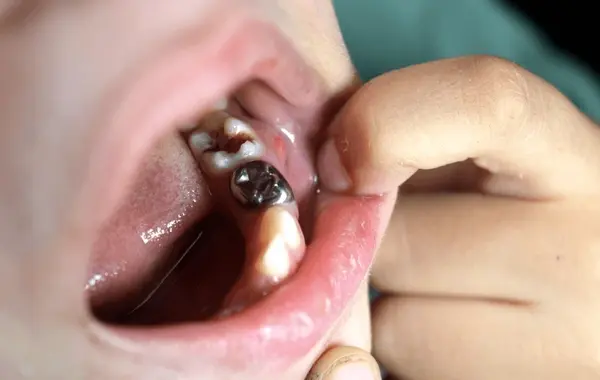
Dental crowns for kids are tooth-shaped coverings placed over teeth that have been significantly weakened by decay, fractures, developmental enamel defects, or previous treatment. Unlike a filling, which repairs part of a tooth, a crown covers the visible portion to provide broader protection.
Although baby teeth eventually fall out, they help children chew, speak clearly, and maintain space for permanent teeth. Preserving a damaged primary tooth may prevent discomfort, infection, early tooth loss, and changes in dental alignment.
Crowns are designed to remain in place until the treated baby tooth naturally falls out. The appropriate material depends on the location of the tooth, the extent of damage, and your child’s treatment needs.
If you are considering a dental crown for your child, visit our pediatric dentist in Cypress for an examination.
When Should Children Visit the Dentist for Dental Crowns?
A crown may be recommended when a tooth does not have enough healthy structure to support a standard filling. Your child should be examined if you notice:
A large visible cavity
Extensive decay may weaken multiple surfaces of the tooth.
Tooth pain or sensitivity
Discomfort while eating or drinking may indicate deeper damage.
A cracked or broken tooth
A fracture can reduce the tooth’s strength and expose its inner layers.
Dark areas on a tooth
Brown or black spots may be signs of advanced decay.
Difficulty chewing
Avoiding one side of the mouth may indicate pain or weakness.
Swelling near a tooth
Gum swelling can be associated with irritation or infection.
A loose or damaged filling
Repeated filling failure may mean the tooth requires fuller coverage.
A crown may also be recommended after a pulpotomy because the treated tooth can become more vulnerable to fracture. We evaluate the remaining tooth structure before deciding whether a crown is appropriate.
What Are the Benefits of Dental Crowns for Kids?
Crowns provide full coverage for teeth that need more support than a filling can offer. Their benefits may include:
Improved protection
A crown covers weakened tooth structure and reduces the risk of further breakdown.
Restored function
The treated tooth can continue supporting comfortable biting and chewing.
Reduced discomfort
Covering and restoring the tooth may relieve sensitivity caused by damage.
Maintained spacing
Preserving a baby tooth helps hold space for the permanent tooth developing beneath it.
Long-term durability
Pediatric crowns are designed to withstand normal biting and chewing forces.
Improved appearance
Tooth-colored options can restore visible teeth more discreetly.
If you are looking for a pediatric dentist near you for a dental crown, we evaluate the tooth carefully and recommend an option suited to your child’s clinical needs.
What Types of Dental Crowns for Kids Do We Offer?
Different crown materials are available for primary teeth. At Dental Clinics of Texas, we offer the following options for dental crowns for kids in Cypress:
Stainless steel crowns
These durable crowns are commonly used on back baby teeth affected by large cavities or extensive structural damage.
White zirconia crowns
These metal-free crowns offer a tooth-colored appearance and may be suitable for front or back teeth in selected cases.
Strip crowns
These tooth-colored restorations are generally used to rebuild damaged front baby teeth.
White-coated crowns
These crowns combine a metal base with a tooth-colored outer surface to improve appearance.
In selected cases, we may also use a minimally invasive crown technique for certain cavities in baby molars. The most appropriate choice depends on the tooth’s location, the amount of remaining structure, moisture control, appearance preferences, and your child’s ability to complete treatment comfortably.
How Does the Dental Crown Process Work?
We use a careful and supportive approach when providing dental crowns for kids in Cypress. The procedure may vary depending on the crown type and condition of the tooth.
Examining the tooth
We assess the extent of decay or damage and may take digital X-rays when clinically necessary.
Planning the treatment
We select a crown material based on the tooth, your child’s needs, and the amount of protection required.
Keeping your child comfortable
We explain the procedure in age-appropriate language and numb the treatment area.
Preparing the tooth
We remove damaged or decayed tissue and shape the tooth, if needed, for the selected crown.
Placing the crown
We adjust the restoration, check its fit and bite, and secure it over the tooth.
Reviewing aftercare
We explain eating, brushing, flossing, and signs that should be brought to our attention.
Many crown procedures can be completed in one appointment. We may also discuss additional comfort measures for children who are anxious, very young, or receiving several restorations.
If you need dental crowns for kids near you, we provide clear treatment guidance and help your child feel supported throughout the appointment.
Why Choose Dental Clinics of Texas for Dental Crowns for Kids?
Restorative treatment can feel easier when your child is cared for by a team that works exclusively with young patients. At Dental Clinics of Texas, we provide dental crowns for kids near you to make quality dental care for children more convenient and accessible. When you choose our team, you can expect:
Sixteen years of service
Our practice has cared for children and families for 16 years.
An experienced pediatric team
We understand children’s oral development, behavior, and comfort needs.
A pediatric-only focus
Our primary services include preventive dentistry, fillings, crowns, sedation dentistry, special needs pediatric care, and hospital dentistry.
Personalized treatment planning
We consider your child’s age, tooth condition, cavity risk, and ability to complete treatment comfortably.
Child-friendly communication
We use clear explanations, gentle pacing, and behavior guidance appropriate for children.
Convenient scheduling
Our weekday and Saturday availability makes it easier for families to arrange dental visits.
Protect and Restore Your Child’s Tooth
A well-fitted crown can preserve a damaged baby tooth and help your child eat, speak, and smile more comfortably. At Dental Clinics of Texas, we provide dental crown treatment for kids in Cypress to restore weakened teeth and support healthy oral development.
Call us today at (832) 427-1901 to schedule your child’s examination and learn whether a dental crown is the right treatment.
FAQs
How much do dental crowns for kids cost?
The cost depends on the crown material, the tooth being treated, whether other procedures are needed, and your insurance coverage. We can provide an estimate after examining your child.
How long does it take to place a dental crown for a child?
Many pediatric crowns can be placed during one appointment. The length of the visit depends on the tooth’s condition, the crown type, and your child’s comfort and treatment needs.
How long does recovery last after crown placement?
Most children return to their usual activities the same day. Temporary numbness or mild gum tenderness may occur. Your child should avoid chewing until normal sensation returns.
Are dental crowns for kids covered by insurance?
Many dental insurance plans provide partial coverage when a crown is considered medically necessary. Coverage, deductibles, and limitations vary by plan.
How long does a crown last on a baby tooth?
A pediatric crown is generally intended to remain in place until the baby tooth falls out naturally. Its longevity can be affected by oral hygiene, diet, grinding habits, and the condition of the tooth.